
Did you know that many Facebook users are unaware they can disconnect Messenger from their accounts, potentially simplifying their messaging experience? If you’ve ever felt overwhelmed by notifications or simply prefer to streamline your apps, you’re not alone. Removing Messenger can help you regain control over your social media usage and enhance your privacy. As Facebook constantly evolves, understanding how to adjust your settings becomes crucial. In this article, we’ll guide you through the straightforward process of disassociating Messenger from your Facebook account, empowering you to take charge of your online interactions. Our step-by-step instructions are designed for all users, whether you’re a seasoned pro or just starting. Stick with us to find the solution that best suits your needs!
Understanding Messenger on Facebook: Overview and Functionality
Understanding Facebook Messenger’s functionality is essential for navigating social interactions in the digital age. Initially introduced as a standalone app, Messenger combines the immediacy of messaging with Facebook’s vast social network, facilitating real-time conversations between friends, family, and even businesses. More than just a chat application, it allows users to share photos, videos, and voice messages, make video calls, and send money, creating a rich communication experience tailored to modern connectivity.
One of the standout features of Messenger is its integration with Facebook itself. Users can interact with their friends directly without needing to navigate away from the main app. This connection fosters seamless communication, but it can also lead to concerns about privacy and data sharing. Many users feel overwhelmed by the constant notifications and the seemingly endless array of features, which may lead them to reconsider their relationship with the app. Understanding the implications of using Messenger-like how it ties into your Facebook account, what data it collects, and how it affects your overall privacy-empowers users to make informed decisions.
Messenger also includes convenient functionalities such as group chats, event reminders, and the ability to send GIFs and stickers, making interactions more engaging. However, as the app evolves, some users might find themselves seeking alternatives or wishing to remove it altogether from their Facebook experience. It’s crucial to recognize that disconnecting from Messenger doesn’t mean severing ties with your social circle; rather, it opens the door to exploring more tailored communication options that prioritize your preferences and comfort levels.
Ultimately, while Messenger enhances Facebook’s ecosystem, the choice to continue using it should align with individual needs and privacy concerns. Understanding its capabilities, limitations, and how to manage one’s interactions effectively can lead to a more satisfactory online experience, whether one chooses to embrace Messenger or move on from it.
Why You Might Want to Remove Messenger
Many users find themselves questioning the need for Messenger in an era where communication options are abundant. While Messenger offers a plethora of features that enhance connectivity, there are compelling reasons why some may choose to disentangle themselves from this Facebook component. Here are several factors to consider when contemplating the removal of Messenger from your digital routine.
One prevalent concern is privacy and data security. Facebook has long been scrutinized for its approach to user data collection and sharing. By maintaining Messenger, users may feel apprehensive about their conversations and personal information being stored or used for targeted advertising. Disconnecting Messenger can be a strategic move to regain control over your personal data, allowing you to communicate without the constant worry about how your information may be used.
Another factor involves notification fatigue. The constant stream of messages, alerts, and updates can be overwhelming, particularly if you are part of numerous group chats or receiving messages from various sources. Users often report feeling stressed by incessant notifications, making it challenging to focus on other important tasks. By cutting ties with Messenger, you can reclaim your peace of mind and prioritize more meaningful interactions without distraction.
Additionally, some users may be seeking alternative communication tools that align better with their needs. With numerous messaging apps available-such as WhatsApp, Signal, and Telegram-individuals can choose platforms that offer enhanced privacy features, customizable notification settings, or different interaction styles. This shift could lead to a more tailored experience that prioritizes user preferences over the generalized features provided by Messenger.
Lastly, it’s important to recognize that removing Messenger does not have to mean cutting off social connections. In fact, it can be an opportunity to explore more intentional ways of communicating. You might find yourselves revitalizing relationships through phone calls or face-to-face encounters, enriching your social life beyond the digital realm. By taking this step, you’re not just removing an app; you’re redefining how you engage with those closest to you.
Ultimately, the decision to part ways with Messenger is a personal one, weighing the benefits of streamlined communication against individual concerns about privacy and digital well-being. Whether you’re looking for more mindful interaction or simply desire a break from constant notifications, understanding your options empowers you to make the best choice for your online experience.
Step-by-Step Guide to Disconnecting Messenger
If you’re feeling overwhelmed by Messenger and ready to disconnect, you’re not alone. Many users seek a simpler communication experience and wish to regain control over their social media interactions. Luckily, disconnecting Messenger is a straightforward process. The following steps will guide you through the necessary actions to sever ties with this app while still retaining access to Facebook.
Before diving into the disconnection process, it’s important to note that removing Messenger doesn’t mean deleting your Facebook account. You can still use Facebook’s core features without having to rely on Messenger for chats. Keep in mind that by opting out, you may miss certain messaging functionalities built into the app, but you will find that your overall digital experience may benefit significantly.
Step-by-Step Guide to Disconnect Messenger
- Open the Messenger App: Start by locating the Messenger app on your device and opening it. You may need to log in if you’re not already signed in.
- Access Your Profile: Tap on your profile picture in the top left corner of the screen. This will open your profile settings where you can manage various features and options.
- Settings & Privacy: Scroll down to find the “Privacy” section. Within this menu, look for “Settings” and tap it to open further options.
- Account Settings: Navigate to “Account Settings.” Here, you can find details regarding your Messenger account that you wish to disconnect.
- Deactivate Account: In the Account Settings section, look for the option labeled “Account Ownership and Control.” Depending on the platform version, this may appear slightly different, so keep an eye out. Then, select “Deactivate” to proceed.
- Follow Prompts: Follow the on-screen prompts to confirm your choice. After you manually deactivate Messenger, you will need to uninstall the app from your mobile device for a complete disconnection.
Uninstalling the Messenger App
To completely remove Messenger from your device, you must uninstall the app. Here’s how you can do that:
- For Android: Go to your device’s settings, scroll to “Apps,” find “Messenger,” and tap on “Uninstall.”
- For iPhone: Tap and hold the Messenger app icon until it wiggles, then tap the “X” to delete it.
By following these steps, you’ll successfully disconnect Messenger from your Facebook account, giving you a more curated online experience. Should you decide later to reactivate Messenger, you can easily download the app again and log back in with your Facebook credentials. Keeping your online environment tailored to your preferences while ensuring privacy is essential, and you now have the tools to take control of your communication.
How to Uninstall the Messenger App on Mobile
In a world where digital communication can easily become overwhelming, it’s crucial to streamline your online interactions. If you’ve decided to remove the Messenger app from your mobile device, you’re taking an important step toward curating your digital experience. Luckily, the process of uninstalling Messenger is streamlined and user-friendly, no matter what platform you’re using.
For Android users, uninstalling Messenger is a straightforward affair. Here’s how to do it:
- Step 1: Open the Settings app on your Android device.
- Step 2: Scroll down and select Apps or Applications.
- Step 3: Find and tap on Messenger from the list of installed apps.
- Step 4: On the Messenger app page, you’ll see an option to Uninstall. Tap it to remove the app from your device.
If you’re using an iPhone, the process is equally simple:
- Step 1: Locate the Messenger app on your home screen.
- Step 2: Tap and hold the Messenger app icon until it starts to wiggle, indicating that it’s in edit mode.
- Step 3: Look for the X that appears in the corner of the app icon.
- Step 4: Tap the X and then confirm the deletion by selecting Delete when prompted.
By completing these steps on your respective device, you will effectively remove Messenger from your mobile, helping to simplify your communication landscape. Remember, however, that uninstalling the app doesn’t delete your Facebook account or remove your messages, so you’ll still be able to access your account whenever you decide to return.
While the decision to part ways with Messenger might initially feel daunting, this move allows you to focus on other means of communication that better fit your lifestyle. Whether it’s emails, texts, or other messaging apps, you have the power to choose how you connect with others. So rest assured, taking control of your online communication has never been easier!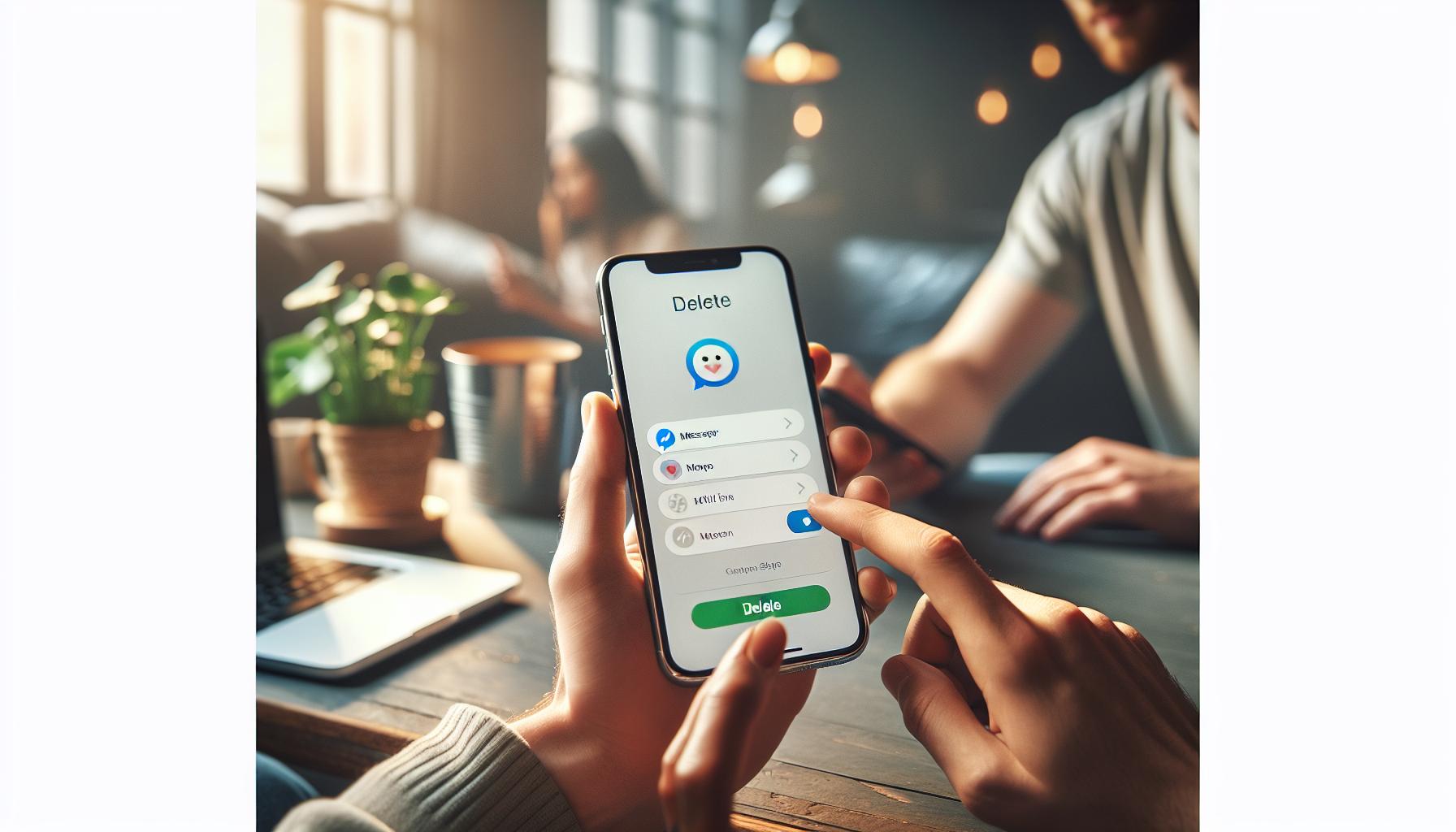
Disabling Messenger on Desktop: A Quick Tutorial
Disabling Messenger on your desktop might seem challenging, especially with Facebook’s frequent updates and evolving interface. However, the process is efficient and can help you manage your online interactions more effectively. Whether you’re looking to minimize distractions or just prefer not to use Messenger, knowing how to disconnect it from your Facebook account is essential for tailoring your social media usage.
To disconnect Messenger from your Facebook account on a desktop, follow these straightforward steps:
Access Messenger Settings
- Open your preferred web browser and navigate to the Facebook homepage.
- Log into your account with your credentials.
- Once on your homepage, look for the Messenger icon, typically located in the upper right corner of the screen. It resembles a speech bubble.
- Click on the Messenger icon to open it, then select the three-dot menu icon for more options.
Disable or Disconnect Messenger
- From the drop-down menu, select Settings. This will direct you to Messenger settings options.
- In the settings, find the section labeled Privacy or General Settings related to Messenger.
- Look for an option that allows you to disable or disconnect Messenger. This may vary slightly based on updates, but it usually involves turning off notifications or setting your active status.
While you cannot completely remove Messenger from your Facebook account as it is tightly integrated, disabling it can significantly reduce its impact on your daily digital communications. Another point to remember is that even when you disable Messenger, your messages remain intact within Facebook; you simply won’t receive alerts or see active status updates from your contacts.
If you’re concerned about privacy, take advantage of additional settings found within the main Facebook settings menu. Adjust who can contact you via Messenger and customize notification settings, so you maintain control over your digital presence. With these adjustments, you can enjoy the benefits of Facebook without the constant barrage of Messenger notifications, letting you engage at your own pace.
Alternatives to Messenger: Other Communication Options
In the era of instant communication, many users find themselves seeking alternatives to traditional messaging apps like Facebook Messenger. With privacy concerns and the desire to limit screen time, exploring other communication options can enhance your online social experience while catering to your specific needs. Whether you seek a simpler solution or a more feature-rich application, there are several platforms available that provide robust functionalities without the complexities associated with Messenger.
Popular Alternatives to Consider
- WhatsApp: Owned by Facebook but offering end-to-end encryption, WhatsApp focuses on user privacy. It includes features such as voice and video calls, group chats, and multimedia sharing, all without the same level of integration with Facebook.
- Signal: This app is renowned for its privacy-first approach. Signal uses strong encryption protocols and provides a clean, user-friendly interface, making it ideal for secure communication without distractions.
- Telegram: Known for its versatility, Telegram supports large group chats, secret chats with self-destruct timers, and cloud storage for files. Its engaging bots allow for additional functionalities, which can enhance community engagement or automate tasks.
- iMessage: For Apple users, iMessage offers seamless integration with iOS devices. With features like read receipts, multimedia sharing, and secure messaging, it keeps your conversations private while providing a modern user interface.
- Discord: Originally designed for gamers, Discord has evolved into a comprehensive communication platform. With voice channels and servers, it allows for organized discussions, making it suitable for communities, teams, and friendships alike.
Other Creative Communication Methods
In addition to messaging apps, consider utilizing older forms of communication that still hold value today. Email remains a reliable option, allowing for detailed conversations and file-sharing without the immediacy of real-time chats. Social media platforms also offer messaging capabilities, such as Twitter DMs or Instagram’s direct messaging feature, which can be less intrusive and foster interactions in unique contexts.
Adopting alternative communication methods not only reduces dependence on Messenger but also provides diverse ways to connect with friends and family. By exploring these tools, you can tailor your communication experience to fit your preferences, enhance your privacy, and enjoy conversations on your terms. Whether opting for a secure messaging app or revisiting email, each alternative presents unique features that can enrich your social interactions-and ease the burden of unwanted notifications from Messenger.
Managing Your Facebook Privacy Settings Without Messenger
When you decide to disconnect Messenger from your Facebook account, enhancing your privacy can feel daunting. However, managing your Facebook privacy settings is entirely achievable, and clarifying how to navigate these features is crucial to maintaining control over your personal information. By understanding the various privacy settings available, you can create a safer online environment and dictate who gets to see your information, all while making the most out of your Facebook experience.
To begin optimizing your privacy settings, access your Facebook account, and navigate to the settings menu. Here are the key features you should focus on:
Essential Privacy Settings to Review
- Profile Privacy: Control who can see your profile information including your friends list, posts, and photos by adjusting your profile privacy settings. You can set this to ‘Only Me’ for maximum privacy or customize it to allow certain friends.
- Post Visibility: When sharing posts, always check the audience selector tool. You can keep your posts visible to Friends, Public, or customize for specific friends or lists.
- App Settings: Review apps that are linked to your Facebook account. Under the ‘Apps and Websites’ section, you can remove any app you no longer use or adjust the data they have access to.
- Location Settings: Disable location tracking features if you’re uncomfortable with Facebook knowing your whereabouts. You can do this in the location settings where you can manage or turn off location services altogether.
- Ad Preferences: Tweak how Facebook uses your data for advertising. Under ‘Ads,’ you can limit the information used for targeted ads, thereby better safeguarding your personal data.
Another great step to reinforce your privacy is to customize your friend requests. You can restrict who is able to send you friend requests, helping to minimize unwanted interactions. In the settings under ‘Privacy,’ you can specify ‘Friends of Friends’ or ‘Only Me’ to enjoy a quieter, more controlled networking environment.
Important Considerations
While navigating these settings, it’s also wise to educate yourself about Facebook’s data policies. Awareness of how your data might be used can empower you to make informed decisions about what you share. Moreover, routinely revisiting your privacy settings ensures they align with any changes in your preferences or Facebook’s evolving features.
By taking these proactive measures, you can effectively manage your Facebook privacy without the presence of Messenger, creating a more comfortable and secure online space tailored to your needs. Focusing on these settings will not only help in maintaining your privacy but will also allow you to enjoy a more intentional and enriching online experience.
Common Issues When Removing Messenger and Solutions
When taking the step to remove Messenger from your Facebook account, it’s not uncommon to encounter a few bumps along the way. Despite the process intending to be straightforward, users often face challenges that can feel frustrating or confusing. Understanding these common issues can empower you to navigate the disconnection process more smoothly and with confidence.
One frequent concern is the misconception that deleting the Messenger app will automatically deactivate your Facebook account or harm your messaging capabilities. To clarify, simply uninstalling Messenger does not delete your Facebook account; however, it does mean you can no longer access your Facebook messages through the app. If you’re seeking a method to avoid Messenger while still being connected with friends through Facebook, you can manage messages directly on the website without needing the app.
Common Concerns and Practical Solutions
- Difficulty Finding the Option to Disconnect: Some users report trouble locating the settings to unlink Messenger. To disconnect, start by going to the Facebook app settings, find the ‘Account Settings’ section, and select ‘Messaging.’ Here, you can manage your Messenger settings effectively.
- Not Receiving Important Messages: If you’re worried about missing essential communications after disconnecting, consider informing your contacts of temporary alternative ways to get in touch, such as through email or other messaging platforms.
- Permissions and Access Issues: Occasionally, users face permission issues after attempting to delete the Messenger app. If this happens, ensure that you log out of Facebook from your devices and try logging back in. This simple action often resolves the access problem.
- Confusion Over Remaining Logged In: After removing Messenger, you may notice that you’re still logged into Facebook. To enhance security, manually log out from the app on all devices. This ensures that your account remains secure, especially while you’re navigating changes.
- Need to Access Old Messages: If you worry about accessing past conversations, rest assured that all messages remain intact on Facebook. You can view them on the website even after you’ve uninstalled the Messenger app. Simply log into your account and navigate to Messenger from the main menu.
If you experience any persistent issues, checking Facebook’s Help Center can provide additional assistance or updated troubleshooting steps. Keeping your app and browser updated can also enhance performance, reducing the likelihood of encountering errors. Overall, remaining informed and proactive can alleviate many concerns associated with removing Messenger from your Facebook experience.
How to Reactivate Messenger When Needed
When the time comes to reconnect with friends or family, reactivating Messenger can be an efficient way to restore those communication channels. Whether you’ve decided the break from the app is not for you or need to quickly access important conversations, the process to reactivate Messenger is straightforward and user-friendly.
The first step involves ensuring that the Messenger app is downloaded and installed on your mobile device. If you have uninstalled it, navigate to your device’s app store-Google Play Store for Android users or the Apple App Store for iOS users. Simply search for “Messenger,” download it, and install.
Once the app is installed, you can log back into your Messenger account. Open the app, and you will be prompted to enter your Facebook login details: your email or phone number linked to your account, along with your password. After you log in, you might need to verify your identity through a security code sent to your registered email or phone number. This added step is a proactive measure by Facebook to ensure your account remains secure.
Managing Messenger Settings
After reactivation, it’s a good idea to review your Messenger settings to align them with your current preferences. You might want to adjust your privacy settings, such as who can send you messages or see your active status. To do this:
- Open Messenger and tap on your profile picture at the top left corner.
- Select Privacy to explore options like Message Delivery, where you can adjust who can message you.
- Additionally, review the Notifications section to ensure you’re receiving alerts for important conversations.
If you encounter issues while reactivating Messenger, a common solution is to check your internet connection. A stable connection is crucial to facilitate the login process. Furthermore, if the app fails to load or crashes, clearing the cache from your device settings can remedy these glitches, ensuring a smoother experience.
In summary, reactivating Messenger is designed to be a seamless process whether you are using a mobile phone or a desktop. By following these helpful steps, you can quickly reconnect and manage your conversations with ease while maintaining control over your preferences and security settings. As the digital landscape continues to evolve, staying connected through platforms like Messenger can enhance your social experience and keep you in touch with those who matter most.
Understanding Messenger and Facebook Account Integration
Facebook Messenger is deeply integrated into the broader Facebook ecosystem, allowing users to communicate seamlessly while sharing content, events, and updates with friends and family. This integration is a double-edged sword; while it enhances connectivity, it can also lead to potential frustrations, especially for those who might want to disconnect or detach their Messenger app from their Facebook account. Understanding this relationship is crucial for anyone considering the step of removing or disabling Messenger.
One of the most notable aspects of Messenger’s integration with Facebook is that it operates as a standalone app, yet it relies heavily on the data and login credentials of your Facebook account. When you create a Facebook account, you automatically gain access to Messenger. This means all the contacts you connect with on Facebook are also available on Messenger, streamlining the way you can interact with friends. However, this seamless access can also create a scenario where some users feel overwhelmed by notifications or the pressure to engage with their social network.
For those seeking to maintain privacy or limit digital interaction, the disconnecting process starts with understanding the nuances of this integration. While removing the Messenger app is often straightforward, it’s essential to know that doing so doesn’t deactivate your Facebook account. Your Facebook messages, groups, and notifications remain active, which may confuse users who expect a complete separation upon uninstalling the app. Therefore, it’s advisable to consider adjusting your privacy settings within Facebook itself before uninstalling Messenger.
To enhance your experience, take note of a few steps you can take regarding privacy and messaging preferences directly on Facebook:
- Go to your Facebook settings and navigate to the Privacy section.
- Review options under How People Find and Contact You to control who can send you messages.
- Adjust your Timeline and Tagging settings to manage how others interact with your posts and profile.
Ultimately, while the integration of Messenger with Facebook offers impressive communication capabilities, understanding how both work together can empower you to take control of your social interactions. Whether you choose to remain connected or decide to take a break, being aware of how to effectively manage your settings is key to ensuring your social media experience aligns with your personal preferences and security needs.
User Experiences: Sharing Stories of Messenger Removal
While many users appreciate the convenience that Facebook Messenger provides, there are just as many who have sought to remove or disable the app for a variety of reasons. From privacy concerns to a desire for reduced digital noise, users’ experiences offer valuable insights into the process and consequences of detaching Messenger from their Facebook accounts.
One common theme among individuals who opted to remove Messenger is the overwhelming nature of constant notifications. For instance, Sarah, a graphic designer from New York, noted that her phone buzzed incessantly with group chat messages and notifications from friends. “I found myself spending hours just scrolling through messages instead of getting work done,” she explained. By uninstalling Messenger, Sarah regained control over her time and reduced distractions significantly. This experience highlights that taking a break from constant connectivity can enhance one’s focus and overall productivity without losing touch entirely.
Similarly, privacy concerns play a major role in users’ decisions to disconnect. Daniel, a tech-savvy college student, shared his thoughts on the topic: “I realized I was sharing more personal information than I intended. Removing Messenger felt like taking a step back to evaluate who I was comfortable communicating with.” He emphasized the importance of reviewing privacy settings on Facebook before uninstalling the app. By adjusting these settings in advance, he could maintain connections with select friends without the risk of oversharing.
Though anecdotal evidence suggests that many users appreciate the decision to remove Messenger, some encountered unexpected challenges during the process. Emily, a busy mom, found out that uninstalling the app didn’t mean she wouldn’t receive Messenger notifications on her Facebook account website. “I thought it would cut everything off, but I still saw messages on Facebook,” she explained. Her story underscores the need for a clear understanding of how Facebook’s ecosystem operates. Adjusting notification settings for Facebook itself can lead to a more tailored experience even after removing Messenger.
In sharing these perspectives, it becomes clear that the journey of disentangling from Facebook Messenger is not a one-size-fits-all scenario. While many users find relief and empowerment in taking this step, others discover nuances and complications. Recognizing that the decision to remove Messenger can lead to a mix of feelings-freedom, clarity, or even confusion-empowers individuals to approach the process mindfully. The importance of reviewing privacy settings, understanding how communication works across platforms, and preparing for any potential hiccups can help users navigate their social media experience with confidence.
Tips for Staying Connected Without Messenger
Staying connected in today’s digital world can feel overwhelming, especially after deciding to remove Facebook Messenger. However, disconnecting from the app doesn’t mean you have to lose touch with your friends and family. In fact, you can continue to nurture those connections while gaining more control over how and when you interact with your social circle. By exploring alternative communication options and utilizing specific features on Facebook and other platforms, you can maintain meaningful relationships minus the distractions of Messenger.
Explore Alternative Messaging Platforms
Consider using other messaging apps that may fit your communication style better. Options such as WhatsApp, Signal, and Telegram provide robust messaging features but with different privacy controls and fewer notifications. For instance, WhatsApp allows you to message without requiring a Facebook account, and it encrypts your messages for added security. You might also find that these platforms foster richer interactions, allowing for voice calls and media sharing without the clutter often associated with Messenger.
Utilize Facebook’s Built-in Features
Even without Messenger, you can stay connected via Facebook’s core functionalities. Here are some practical ways to engage with your network:
- News Feed: Stay updated on friends’ activities and posts. Engaging with their content through likes and comments can keep your social interactions alive.
- Facebook Groups: Join groups that align with your interests. These can be a great way to meet like-minded individuals and foster new friendships without relying on traditional messaging.
- Events: Use Facebook’s event feature to plan gatherings. Engaging in community activities can deepen existing relationships and introduce you to new friends.
Leverage Direct Posting or Tagging
When updating friends about your thoughts or making plans, consider posting directly on your timeline or tagging them in posts to initiate conversations. This can prompt dialogue and keep communication flowing without the need for instant messaging. For instance, if you’re planning to get together with a few friends, a simple post inviting them to suggest dates can be more effective than many individual messages.
Be Mindful of Your Privacy Settings
While transitioning away from Messenger, it’s essential to review your privacy settings on Facebook to ensure you maintain control over who can communicate with you. Go to your account settings and navigate to “Privacy” to customize who can send you friend requests, see your posts, or send you messages. By curating your digital environment, you can foster a space where communication feels comfortable and safe, reducing your anxiety about oversharing.
By utilizing alternative platforms, Facebook’s built-in features, and maintaining awareness of your privacy settings, you can enjoy staying connected without the distraction of Messenger. Finding a balance that works for you can ultimately enhance your digital experience, letting you engage on your own terms while fostering lasting connections.
Q&A
Q: How do I disconnect Messenger from my Facebook account?
A: To disconnect Messenger from Facebook, go to the Messenger app settings, navigate to “Account” settings, and select “Manage Account.” Here, you can find the option to disconnect Messenger. For a detailed step-by-step guide, refer to the relevant section in the article.
Q: What happens when I remove Messenger from Facebook?
A: When you remove Messenger, you will lose instant messaging capabilities through the app but can still send and receive messages via Facebook’s website. You’ll also maintain access to your Facebook account, just without the separate messaging feature.
Q: Can I delete my Messenger account without deleting Facebook?
A: Yes, you can delete your Messenger account without deleting your Facebook account. Simply go into Messenger settings, choose “Account,” and look for the option to delete your account. For detailed instructions, check the step-by-step guide in the article.
Q: Why can’t I disconnect Messenger from Facebook?
A: There may be several reasons for this issue, such as an outdated app version or network problems. Ensure your app is updated and your internet connection is stable. If issues persist, consult the “Common Issues” section in the article for troubleshooting solutions.
Q: Will deleting Messenger affect my Facebook messages?
A: No, deleting Messenger will not affect your Facebook messages. They will remain accessible through the Facebook website or app. For more tips on managing your messages, refer to the section about Facebook privacy settings in the article.
Q: How do I stop using Messenger without uninstalling it?
A: To stop using Messenger without uninstalling it, you can temporarily log out of the app. Additionally, you can disable notifications to limit any messaging interactions. For more options to manage your usage, see the alternatives section of the article.
Q: What are my alternatives if I remove Messenger?
A: If you remove Messenger, you can use other messaging apps like WhatsApp or signal your messages through Facebook’s integrated chat feature on the web. For more information about communication alternatives, check the relevant section in the article.
Q: Can I reactivate Messenger after I’ve removed it?
A: Yes, you can easily reactivate Messenger. Simply reinstall the app and log in with your existing Facebook account, and your messages will be restored. For detailed reactivation steps, visit the “How to Reactivate” section in the article.
In Retrospect
Now that you’ve learned how to remove Messenger from Facebook by disconnecting the app, it’s time to take control of your privacy and streamline your social media experience. Remember, managing your digital footprint gives you more freedom to connect with your friends and family on your terms. If you’re still curious about optimizing your Facebook settings, be sure to check out our guides on adjusting privacy settings and maximizing your profile’s potential.
Ready to delve deeper into Facebook? Explore our resources to improve your understanding of features like Stories and Reels, or discover essential tips on content creation tailored for personal and professional use. We encourage you to subscribe to our newsletter for the latest updates and exclusive tips! Your thoughts matter to us-share your experiences in the comments below and help others navigate the complexities of Facebook. Onward to a more empowered Facebook journey!


