

Did you know that many Facebook users worry about their privacy and the potential backlash from sharing opinions online? In a world where conversations can be both revealing and risky, the ability to comment anonymously on Facebook offers a solution to engage freely without the fear of judgment. Whether you want to express a personal opinion, participate in sensitive discussions, or simply maintain your privacy, learning how to comment anonymously can enhance your online experience. In this guide, we’ll explore the steps to comment privately on Facebook, addressing the concerns and needs that come with navigating this complex platform. By the end, you’ll feel empowered to share your thoughts while keeping control over your visibility. Ready to discover how to protect your privacy while fostering open discussions? Let’s dive in!
How Anonymous Comments Work on Facebook
Understanding how anonymous commenting works on Facebook can feel like unraveling a mystery. While anonymity is a concept many users desire, Facebook’s features are often intertwined with user identity and privacy settings, creating a layer of complexity. Here’s what you need to know about navigating anonymous comments effectively while keeping your identity secure.
Facebook does not officially allow completely anonymous comments on public posts like some other social media platforms. Your comments are typically linked to your account, meaning that anyone who views the post can see who made the comment, and your name and profile picture are often visible. However, there are several alternative routes to achieving a level of anonymity, especially in specific contexts such as groups or private settings.
Engaging in Facebook Groups
One avenue for more anonymous discussion is through Facebook Groups. In many groups, especially closed or secret ones, the discussions can feel more private. However, it’s important to note that while your identity may be protected from non-group members, anyone within the group can still see your comments. If you want to comment on sensitive topics without widespread visibility, consider joining highly specialized groups where your interests align with like-minded individuals, fostering a safer environment for open discussion.
Third-party Applications and Tools
Another option is to utilize third-party applications that allow for anonymous submissions or tips. While these platforms don’t integrate directly with Facebook, they can facilitate anonymous interactions. Always proceed with caution and ensure you understand the privacy policies of these tools to avoid potential breaches of your information.
Privacy Settings and Techniques
To bolster your anonymity when commenting, monitor your privacy settings closely. Regularly review who can see your posts, comments, and friend list. Disabling your profile from search engine results and adjusting your audience settings can provide additional layers of security. Be mindful of what you share in your profile; reducing identifiable information can help enhance your overall anonymity on the platform.
Ultimately, while Facebook’s design is geared towards fostering real-name interactions, exploring these various avenues can help you engage with others while striving for a more anonymous presence. Always stay informed about the latest changes in privacy protocols and be proactive in protecting your digital footprint. Making conscious decisions about your interactions and understanding Facebook’s architecture can empower you to connect without compromising your identity.
Understanding Facebook’s Privacy Settings

Understanding the intricacies of Facebook’s privacy settings can significantly enhance your experience on the platform, especially when it comes to commenting anonymously. With the right knowledge, you can navigate through the complex layers of identity management without compromising your security. Facebook offers several tools and options that can be tailored to create a safer commenting environment, even if complete anonymity isn’t possible.
To effectively manage your privacy, start by diving into the Privacy Settings menu. Here’s how you can do that:
- Open Settings: Click on the small downward arrow at the top-right corner of your Facebook homepage and select “Settings & Privacy,” followed by “Settings.”
- Adjust Privacy Settings: In the left-hand column, click on “Privacy.” Here, you’ll find key areas to customize:
– Who Can See Your Future Posts: Set this to “Friends” or “Only Me” to limit the visibility of your comments on posts.
– Limit Past Posts: Use this option to restrict the audience for your old posts, giving you better overall control of your visibility.
– Who Can Friend You: Adjust this to restrict unwanted connection requests, thereby reducing the chances of interaction with potentially unfriendly individuals.
- Profile Visibility: Navigate to “Profile and Tagging” in the settings. This section allows you to choose who can see your profile picture and cover photo. Consider setting these to “Friends” if you want to minimize your exposure to strangers.
- Comment Privacy: Understand that while commenting on public posts can’t be entirely anonymous, you can control who sees your interactions by engaging in groups or utilizing the above privacy settings to limit exposure.
Engage with Caution
When you participate in discussions or comment on public posts, always remember that some level of your identity will be visible. To maintain a safer presence, you might choose to join closed groups or create a new Facebook account with minimal personal information for more sensitive discussions. This creative workaround allows you to engage in conversations with like-minded individuals without exposing your main account.
Regularly Review Your Settings
Changing privacy settings frequently can be a tedious task, but it’s essential for staying up-to-date with Facebook’s evolving features. Schedule regular reviews of your privacy settings and remain vigilant about any updates from Facebook regarding changes to privacy features.
In summary, while Facebook’s structure is designed for real-name interactions, understanding and customizing your privacy settings empowers you to navigate the platform smarter and more securely. Staying proactive about these measures can help you engage meaningfully while safeguarding your identity, ensuring that you can contribute to discussions without unnecessary exposure.
Step-by-Step Guide to Commenting Anonymously
Navigating the world of Facebook can be overwhelming, especially if you want to engage in discussions without revealing your true identity. While Facebook is designed primarily for real-name interactions, there are creative ways to comment anonymously while still adhering to the platform’s rules. By following these straightforward steps, you can maintain a level of privacy in your online interactions.
First, consider leveraging Facebook Groups. Unlike public posts, closed or secret groups allow discussions to occur in a more controlled environment. To join such groups, simply use the search bar to find communities aligned with your interests, and send a request to join. Once accepted, you can participate in group discussions without your comments appearing publicly across Facebook.
Create a Minimalist Account
If participating in groups isn’t enough for your needs, an effective technique is to create a secondary Facebook account with minimal personal information. Use this account strictly for discussing sensitive or controversial topics. Be sure to use a unique email address to register and limit the details you provide-this account should not be connected to your primary one. Engage only within selected groups or in private messaging, keeping your main account free from potentially compromising comments.
Utilize Comment Filters
Another useful approach to enhance your anonymity is to utilize comment filters. While you can’t comment completely anonymously on public pages, you can influence who sees your commentary. On posts where you wish to comment anonymously, explore options like the “Audience Selector” feature. This allows you to comment in a way that restricts visibility depending on how the post is set (public, friends, etc.). For example, if the post is shared among friends, commenting here ensures that your commentary is less visible to the broader Facebook audience.
Engage Discreetly and Wisely
When you do comment, be mindful of the content and context of your remarks. Even in closed groups or on a secondary account, it’s essential to avoid any personally identifiable information that could compromise your anonymity. For example, sharing personal anecdotes or referencing your main account can inadvertently reveal your identity. Instead, focus on general insights or opinions that don’t link back to you directly.
While absolute anonymity on Facebook might be challenging due to its inherent structure, employing these strategies can significantly reduce your visibility while allowing you to share your thoughts. By creatively using groups, maintaining a minimalist account, and staying vigilant about what you share, you can successfully navigate Facebook’s complexities while engaging meaningfully and privately in discussions.
Common Myths About Anonymous Commenting
Navigating the complexities of commenting anonymously on Facebook often comes with a set of misconceptions that can mislead users. Many individuals believe that achieving true anonymity on a platform specifically designed for real-name interactions is straightforward. However, this isn’t entirely the case. While there are methods to enhance your privacy, knowing the common myths can help you make informed decisions about your digital presence.
One prevalent myth is that creating a new account guarantees your anonymity. While a secondary account can mask your identity, it’s crucial to recognize that Facebook employs various methods to detect duplicate accounts, particularly if your secondary account shares any connection or identifiable information with your main one. Keeping the new account strictly separate – using different devices or browsers if possible – can reduce the chance of detection, but it’s never foolproof. Make sure to abide by Facebook’s terms of service to avoid having that account disabled.
Another misconception is that commenting in closed groups automatically makes your remarks invisible to outsiders. While it’s true that the audiences in closed groups are limited, keep in mind that group admins and members can still see your comments. If any member chooses to share screenshots or details outside of the group, your insights become exposed. Thus, even in closed settings, it’s vital to be cautious with the content you share.
Additionally, some users assume that using privacy settings, such as the audience selector, will guarantee that no one outside their intended audience will ever see their comments. While this feature allows you to restrict visibility to a specific group of people, it does not secure your anonymity in the sense that your identity remains obscured. Friends of those you comment with may still see activity notifications, potentially leading back to you. Therefore, when commenting, consider the potential ripple effects on your privacy across your connected social network.
Finally, a typical belief is that once something is posted anonymously, it vanishes without a trace. In reality, once you’ve shared a comment or post, even if it was in a seemingly secure setting, there are numerous ways others can capture and track the information. Screenshots, shares, or digital archives mean your words can resurface long after you’ve posted them.
Being informed about these myths empowers you to navigate Facebook with heightened awareness and approach commenting more strategically. Always prioritize your privacy and think critically about how your interactions could be perceived or shared. By managing your digital identity effectively, you can engage meaningfully while minimizing risks.
How to Use Facebook Groups for Anonymous Interaction

Navigating social interactions while maintaining your privacy can be a challenge on Facebook, especially when it comes to commenting. However, using Facebook Groups can be an effective way to engage in discussions anonymously. Groups provide a more controlled environment where you can share thoughts and insights while reducing the risks to your personal identity. Here’s how you can make the most out of Facebook Groups for anonymous interaction effectively.
Choose the Right Group
The foundation of anonymous commenting within Facebook Groups starts with selecting an appropriate group. Look for groups focused on your interests or topics where you feel comfortable sharing. Consider joining closed or secret groups, as these settings provide a higher level of privacy since only members can see the content. However, remember that while your comments may not be visible to non-members, they are still accessible to all members and admins of the group.
Setting Up Your Profile for Privacy
To enhance your anonymity when participating in groups, take a few steps with your profile settings:
- Adjust Your Privacy Settings: Review your profile privacy options to limit who can see your activity. Navigate to the settings menu, select “Privacy,” and choose “Friends” or “Only Me” for your activity status.
- Limit Profile Visibility: Consider minimizing the details available on your profile. Adjust settings to restrict visibility for your friends and connections, ensuring that the information does not inadvertently compromise your anonymity.
- Create a New Account: If your main account remains too identifiable, consider setting up a separate, anonymous account. Utilize a pseudonym and avoid sharing any identifiable information that connects back to you. Remember to operate this account independently to avoid detection.
Engage Thoughtfully
When contributing to group discussions, be mindful of what you share. Even within a closed group, anonymity is not absolute, especially if other members choose to share your comments outside the group. Focus on crafting thoughtful, respectful contributions, which will also protect your identity by promoting a positive engagement atmosphere.
- Be Cautious with Shared Information: Before posting, evaluate whether the information could be linked back to you or your viewpoints.
- Avoid Controversial Topics: While you might want to share your opinion, steer clear of highly polarizing discussions that could attract unwanted attention.
Utilizing Group Features
Facebook Groups have various features that can bolster your privacy:
- Polls and Questions: Instead of posting direct opinions, use polls to gather group feedback without revealing your stance outright.
- Anonymous Posting Options: Check if the group has enabled anonymous posting features. This allows you to share your thoughts without your identity being attached to the comment, although not all groups provide this functionality.
- Utilize Comments Wisely: When commenting on posts, keep your insights general rather than personal to avoid any potential identification.
By thoughtfully selecting groups, adjusting your privacy settings, and carefully engaging with content, you can effectively use Facebook Groups to comment anonymously. Remember that while these methods enhance your privacy, complete anonymity is never guaranteed on social media platforms. Always stay alert to how your information may circulate within the digital landscape, and engage in online conversations with a strategic mindset.
Strategies for Protecting Your Identity on Facebook
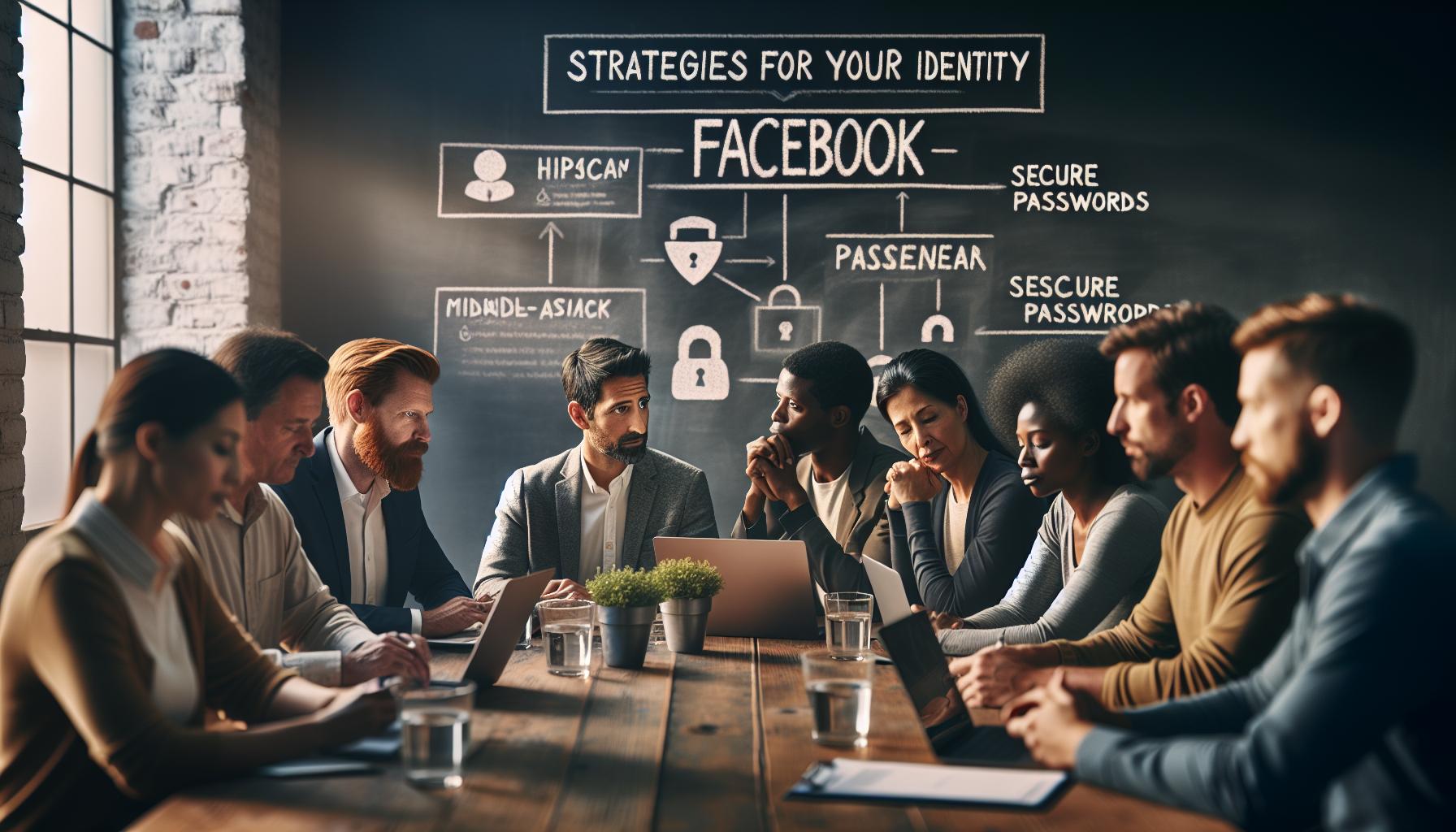
Navigating the intricate realm of Facebook while attempting to preserve your identity can feel daunting, especially with the constant evolution of privacy concerns. However, implementing a variety of strategic measures can significantly bolster your anonymity and safeguard your personal information. Here are some practical steps you can take to protect your identity on the platform while engaging in anonymous commenting.
Review and Adjust Privacy Settings
Facebook provides a plethora of privacy settings that you should familiarize yourself with to enhance your anonymity. Start by accessing the privacy section of your settings:
- Profile Visibility: Ensure that your profile is set to “Friends” or “Only Me” for most settings. This prevents others from viewing your profile or comments unless you choose to share them.
- Activity Log: Regularly check your Activity Log to monitor your interactions on the platform. You can remove posts or comments that may compromise your anonymity.
- Friend Requests: Be cautious with friend requests. Consider accepting only those who you trust or know personally to limit the number of people who can see your information.
Use a Distinct Account for Anonymous Interactions
If you frequently engage in discussions where anonymity is a priority, creating a dedicated account can be a wise choice. When establishing this account:
- Choose an Alias: Opt for a pseudonym that does not relate to your real identity. Avoid using identifiable images, names, or other personal details.
- Separate Email Address: Use a new email address that does not link back to your primary account. This extra layer of security helps keep your identities distinct.
- Do Not Interact with Known Contacts: Avoid adding people from your real life to this account. This reduces the likelihood of your anonymity being compromised.
Be Mindful of Your Interactions
Once you have your privacy settings in place and potentially a new account, the way you interact on Facebook is crucial. Always think twice before sharing:
- Avoid Linking Personal Opinions: Be cautious about sharing opinions or experiences that could be tied back to your true identity. Try to express general thoughts rather than personal anecdotes.
- Limit Your Posts and Comments: The more you post, the more potentially identifiable information you render available. Consider limiting your interactions, especially on controversial topics.
- Manage Your Digital Footprint: Recognize that everything posted online can potentially be archived or shared. Regularly review past comments and posts to digitally declutter your activity.
Remember, while these strategies can significantly bolster your anonymity, complete privacy is challenging to guarantee on any social media platform. By taking these proactive steps, you enhance your ability to engage meaningfully without jeopardizing your personal identity. Always stay vigilant and adjust your strategies as needed to maintain a safe online presence.
Navigating Facebook’s Community Standards

can often feel like walking through a maze, especially when trying to comment anonymously without running afoul of the rules. Understanding these guidelines is essential for anyone wanting to maintain their silence while still engaging in meaningful conversations. Facebook’s community standards are designed to foster a safe and respectful environment. However, their intricate nature often leaves users uncertain about what is permissible, particularly when anonymity is a priority.
Familiarizing yourself with key aspects of these standards can help you avoid unintentional violations while commenting anonymously. Here are some essential points to consider:
- Understand the Content Restrictions: Facebook prohibits hate speech, harassment, and threats. When commenting, ensure your contributions don’t cross these lines. Anonymous commenting doesn’t give a free pass to engage in behavior that could be considered harmful or disrespectful.
- Be Transparent About Anonymity: While you may wish to remain nameless, it’s crucial to remember that anonymity should not be used to spread misinformation or false identities. Abide by Facebook’s rule of contributing authentically, even when using a pseudonym.
- Know the Reporting Procedures: If you encounter content that violates community standards, utilize Facebook’s reporting tools. You can report posts or comments discreetly, which helps keep the community safe without compromising your anonymity.
The community standards also emphasize the importance of context. What may seem like an innocent comment could be taken out of context or interpreted differently by others. Always aim for clarity and precision in your wording-especially when anonymity is involved.
In summary, staying within the bounds of Facebook’s community guidelines is vital for anyone wishing to interact anonymously on the platform. By being aware of the rules and consistently practicing respectful communication, you can enjoy a secure commenting experience while protecting your personal identity. This proactive approach not only helps maintain a constructive dialogue within the community but also empowers you to engage confidently without worrying about potential repercussions for your anonymous opinions.
Benefits of Anonymous Commenting on Facebook
Engaging in discussions on Facebook can bring a sense of community, but many users hesitate to share their opinions due to concerns about judgment or backlash. Anonymous commenting on the platform offers a powerful solution, allowing individuals to express their thoughts more freely without the pressure of personal identification. This freedom can lead to richer conversations and a more diverse exchange of ideas, which are vital for a constructive online environment.
One of the most significant benefits of commenting anonymously is the ability to voice controversial or unpopular opinions without fear of personal repercussions. For instance, individuals may want to discuss sensitive topics such as mental health, political views, or social justice issues. Anonymity encourages more honest dialogue, as people feel safer exploring their thoughts without the risk of social stigma or derision from peers. This not only fosters open communication but also enriches the discussion by incorporating varying perspectives and experiences.
Moreover, commenting anonymously can enhance the overall quality of interactions on Facebook. When users prioritize their ideas over their identities, conversations tend to focus more on the substance rather than the messenger. This can create a more collaborative atmosphere where people are less likely to resort to personal attacks and more inclined to engage with each other’s arguments thoughtfully.
Encouragement and Support
For those new to the concept, the idea of commenting anonymously might seem daunting, but knowing that many others share this desire for privacy can be reassuring. Embracing anonymity empowers users to seek support and share experiences without the fear of being judged or misrepresented. Whether it’s seeking advice on personal struggles or sharing insightful critiques of popular content, the ability to remain anonymous opens up avenues for positive engagement and affirmation.
In terms of practicality, anonymous commenting is not only about the freedom to speak but also about creating a secure space for oneself. By implementing strategies for protecting identity, such as using pseudonyms or dedicated accounts for specific discussions, users can engage more comfortably while navigating the complexities of Facebook’s privacy settings. This approach allows for a more strategic interaction with the platform, ensuring that users can contribute meaningfully without compromising their personal information or security.
Ultimately, the ability to comment anonymously on Facebook serves as a critical tool for those wanting to participate in discussions without sacrificing their comfort or safety. This unique aspect of social engagement can catalyze discussions that are more genuine, constructive, and abundant with diverse viewpoints, ultimately enriching the social experience on the platform.
Reporting Abuse Discreetly on Facebook
The ability to report abuse discreetly on Facebook is essential for maintaining a safe online environment, especially when anonymity is a priority. Users often encounter situations that require them to voice their concerns without exposing their identities, whether it’s offensive comments, harassment, or inappropriate content. Thankfully, Facebook provides features specifically designed to help users report such behavior while keeping their identities hidden.
To report abuse without disclosing your identity, follow these simple steps:
- Identify the Post or Comment: Start by locating the specific post or comment you want to report. This could be on your timeline, in a group, or within a friend’s shared post.
- Use the Report Feature:
– Click on the three dots (…) located at the top right corner of the post or comment.
– Select the option that says “Find support or report post” or “Report.”
- Choose the Reason:
– Once you click to report, Facebook will prompt you to choose a reason for your report. Options typically include harassment, hate speech, spam, or inappropriate content. Select the most appropriate category for your situation.
- Provide Additional Information: Depending on the nature of your report, you may have the opportunity to add comments explaining why the content is problematic. Here, you can share any relevant details while remaining anonymous.
- Submit the Report: After reviewing your selections, click “Submit” to send the report to Facebook’s moderation team. Once submitted, you can rest assured that your identity will remain confidential.
What Happens Next?
Following your report, Facebook’s moderation team will review the flagged content. Although you won’t receive direct feedback on the outcome for privacy reasons, they typically take appropriate action against violations, which may include removing posts or banning users who violate community guidelines.
Additional Tips for Maximizing Safety:
- Review Your Privacy Settings: Take time to familiarize yourself with your privacy settings. Adjust who can see your posts, comments, and profile information to make your experience more secure.
- Document Evidence: If possible, take screenshots of any abusive comments or posts before reporting them. This can be helpful if you need to report the issue to someone else or escalate your concerns outside of Facebook.
- Seek Support from Friends or Trusted Members: If you’re part of a group, consider discussing your concerns privately with trusted members. They can provide support and may also choose to report the content, making a stronger case for moderation.
Using Facebook’s reporting tools allows you to maintain both your anonymity and a sense of community integrity. By familiarizing yourself with these steps and taking action against abuse, you contribute to cultivating a healthier online atmosphere while safeguarding your personal information. Remember, participating in discussions should never come at the expense of your comfort and security!
Alternatives to Anonymous Comments on Social Media
Finding ways to engage on social media without compromising your identity can be challenging, particularly on a platform as complex as Facebook. While anonymous commenting can create a space for candid expression, numerous alternatives exist that allow for interaction while still protecting your privacy. Each of these alternatives comes with distinct benefits and challenges, giving you flexibility in how you choose to share your thoughts and ideas.
One option is utilizing Facebook Groups, which often have a more contained audience compared to public posts. In groups, you can connect with like-minded individuals where discussions may happen under a pseudonym or a nickname. Although your name is still visible, the environment tends to be more trusting and secure, encouraging honest dialogue without fear of immediate backlash. Creating a dedicated profile for group participation-one that doesn’t use your full name or is set up separately from your main account-can further enhance your sense of privacy.
Another approach is leveraging Facebook Stories. For those looking to express themselves anonymously, you can share your thoughts, photos, or even polls in Stories that disappear after 24 hours. While your followers can still see your identity, the ephemeral nature of Stories can diminish the permanence of what you post, allowing you to engage with your network without leaving a lasting mark. You could ask provocative questions or share opinions to gather feedback without deeply engaging in the usual comment threads.
Communities like Facebook Events also present an opportunity for low-key interactions. When attending virtual events or live streams, you can connect and chat via comment sections without the full exposure that comes with traditional posts. This can allow for a sense of anonymity, as many participants may focus on the event itself rather than scrutinizing individual contributions.
For those who truly wish to maintain privacy, consider utilizing other platforms designed specifically for anonymous sharing, such as Reddit or specialized forums. These platforms allow for in-depth discussions and provide varying degrees of anonymity, enabling users to express opinions without fear of judgment. Cross-posting your insights can redirect friends or followers to more anonymous spaces while also fostering community discussions.
Ultimately, choosing how to engage on social media while preserving your privacy should align with your comfort level. Whether through discrete commenting in groups or venturing into more anonymous platforms, there’s a wealth of options that can enrich your social interactions while protecting your identity.
How to Manage Your Online Reputation Safely
Navigating the vast landscape of social media, especially a platform as intricate as Facebook, invites unique challenges regarding your online reputation. With information flying around at lightning speed, it’s essential to cultivate a positive presence while protecting your privacy. The right strategies can empower you to engage meaningfully without sacrificing your identity or integrity.
Focus on Your Privacy Settings
Understanding and adjusting Facebook’s privacy settings is your first line of defense. Start by reviewing your current privacy preferences by going to Settings & Privacy > Settings > Privacy. Here, you can control who sees your posts, comments, and profile information. Consider setting your future posts to “Friends” or “Only Me” to limit your exposure. Adjust your audience for past posts as well to ensure that only trusted friends can view your content. Remember, the more selective you are, the easier it becomes to manage your online reputation.
Be Mindful of Your Interactions
When commenting or engaging in groups, always be aware of how your words may reflect on you. Choose your words wisely and avoid impulsive reactions. Consider these practical steps to ensure you maintain a positive online image:
- Use caution with humor or sarcasm: Tone can be easily misinterpreted online, so it’s wise to be straightforward.
- Avoid heated debates: Engaging in contentious discussions can attract unwanted attention; if necessary, step back and reassess your involvement.
- Double-check privacy of posts: Ensure you’re not inadvertently sharing sensitive information that could compromise your reputation.
Engage Authentically
People appreciate genuine interactions. When participating in comments, focus on being thoughtful and constructive rather than merely sharing your opinion. Consider the following methods to foster meaningful engagement:
- Share valuable insights: When you join conversations, add depth by providing useful information or asking thought-provoking questions.
- Use positive language: Frame your comments in an encouraging way; positivity breeds trust and encourages further interaction.
- Establish your niche: By consistently commenting on topics that interest you, you can build a reputation as a knowledgeable and reliable contributor.
Lastly, as you work to strengthen your online reputation, periodically audit your profile and content. Look for any past comments or posts that no longer align with your values or goals, and consider using the ‘Manage Activity’ tool to archive or delete them. By taking proactive steps to safeguard your online identity, you place control back in your hands, ensuring that every interaction you have on Facebook contributes positively to your reputation.
Staying Updated on Facebook Privacy Changes
To navigate the dynamic landscape of Facebook, staying abreast of privacy changes is crucial for users who prioritize their anonymity while commenting. With frequent updates and evolving privacy policies, remaining informed ensures you can comment safely and discreetly without compromising your personal information. Every time Facebook updates its platform, it can significantly impact how your comments and interactions are perceived-an important consideration for anyone aiming to protect their online identity.
One effective way to stay updated is by regularly checking the Facebook Help Center. This resource houses comprehensive guides and updates about new features and privacy settings. Sign in to your Facebook account, navigate to the “Help” option located in the bottom right corner, and explore the latest articles on privacy. You can also enable notifications for important updates or follow trusted online tech news sources for timely alerts on Facebook changes.
Additionally, consider joining online communities or forums dedicated to Facebook users. These platforms often provide discussions and insights related to recent privacy shifts, sharing firsthand experiences about adjusting to new settings or features. Engaging in these conversations can help you hear about privacy concerns others may have encountered, which could resonate with your own experiences and lead to practical solutions.
Finally, regularly audit your privacy settings. Take a moment every few months to re-evaluate who can see your posts and comments. Go to Settings & Privacy > Settings > Privacy and review your settings related to who can see your future posts, old posts, and profile information. This exercise not only solidifies your understanding of current privacy tools but helps you adapt to any new changes that Facebook introduces, ensuring your anonymity remains intact whenever you wish to comment or engage in discussions within the platform.
By proactively managing your privacy and staying informed about new features, you empower yourself to use Facebook safely and effectively, enhancing your commenting experience while protecting your identity.
FAQ
Q: Can I comment anonymously on Facebook?
A: No, Facebook does not support anonymous commenting on personal profiles. Comments are tied to your account. However, you can interact anonymously in Facebook Groups that allow such features. For more information, check the section on “How to Use Facebook Groups for Anonymous Interaction.”
Q: What are the limitations of anonymous commenting on Facebook?
A: Limitations include the inability to comment anonymously on public posts or personal profiles. Additionally, even in private groups, group admins can see members’ identities. It’s important to understand Facebook’s privacy settings for effective use.
Q: How do I control who sees my comments on Facebook?
A: You can adjust your comment visibility by changing your privacy settings. Go to Settings & Privacy, select Privacy Shortcuts, and choose who can see your posts and comments. For detailed steps, refer to “Understanding Facebook’s Privacy Settings.”
Q: Why would I want to comment anonymously on Facebook?
A: Anonymous commenting allows for more honest feedback, a way to avoid backlash, and the opportunity to engage without fear of personal judgment. Explore the “Benefits of Anonymous Commenting on Facebook” for more insights.
Q: What should I do if I receive negative comments while posting anonymously?
A: If you face negative comments on your posts, consider reporting them through Facebook’s reporting tools. You can also block users if the situation escalates. Check the “Reporting Abuse Discreetly on Facebook” section for guidelines.
Q: Are there any tools or apps for anonymous commenting on Facebook?
A: While there are third-party apps that claim to offer anonymous commenting, using them may violate Facebook’s terms of service and put your account at risk. It’s safer to use Facebook’s built-in privacy features as discussed in the article.
Q: Can group admins see my identity if I comment anonymously?
A: In Facebook Groups, while members can interact without revealing their identities, group admins can still see the identities of all members. Review the section on “How to Use Facebook Groups for Anonymous Interaction” for more details.
Q: How can I ensure I stay anonymous on Facebook?
A: To maintain anonymity on Facebook, limit personal information on your profile, use a pseudonym, and engage in private groups. See “Strategies for Protecting Your Identity on Facebook” for additional tips on ensuring privacy.
In Conclusion
Now you’re equipped with the essential knowledge on how to comment anonymously on Facebook, empowering you to engage in discussions while prioritizing your privacy. Remember, it’s all about maintaining a balance between connecting with others and protecting your personal space. If you’re looking for more tips on enhancing your Facebook privacy settings or maximizing your profile’s potential, check out our guides on Privacy Best Practices for Facebook and Mastering Facebook Engagement.
Don’t wait-take action today! Start commenting anonymously and experience the comfort of sharing your thoughts without any stress. Have questions or concerns? Drop them in the comments below; we’re here to help! And if you found this guide useful, consider signing up for our newsletter to stay updated on the latest Facebook features and tips tailored just for you. Your journey to mastering Facebook starts now, so dive deeper into our site and uncover all the resources we offer.


